



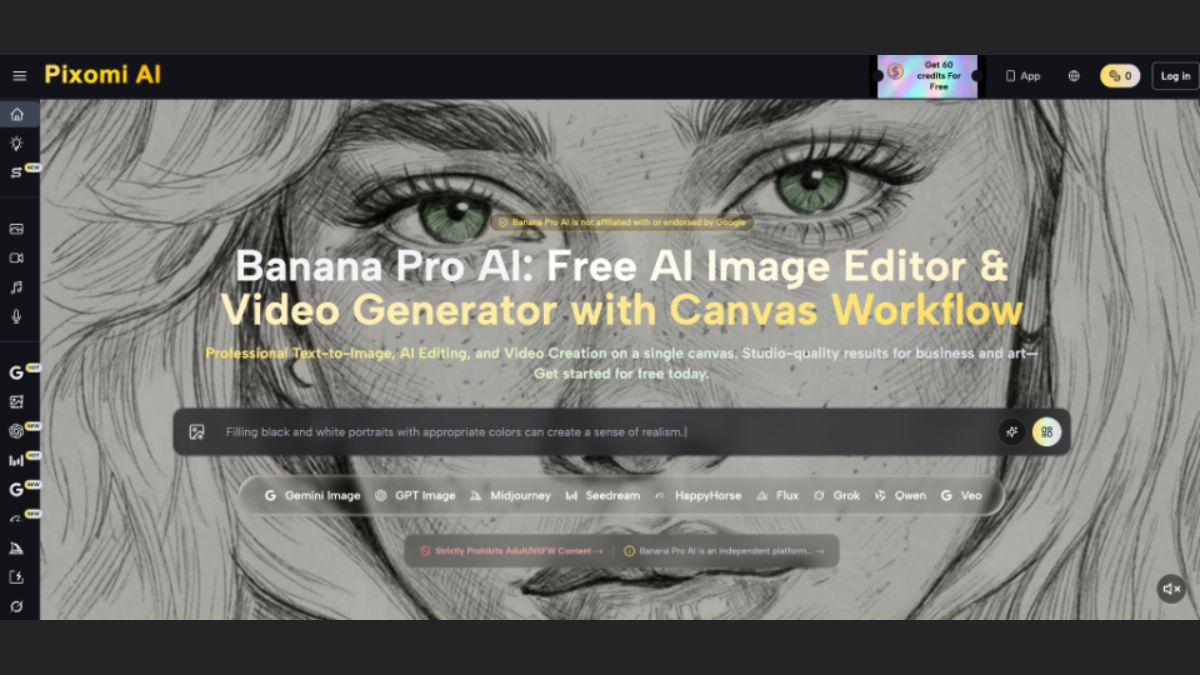
The initial hype surrounding text-to-image artificial intelligence has officially settled, leaving professional creative agencies demanding far more control, consistency, and a lot less randomness. While early generative models proved beyond a shadow of a doubt that AI could create stunning individual images, they failed to integrate smoothly into the rigorous, highly structured environments required by professional art directors, brand managers, and commercial studios. Today, the industry focus has shifted entirely from mere generation to comprehensive workflow orchestration, enabling teams to produce scalable and reliable visual assets that meet strict corporate standards.
To build these scalable, reusable visual pipelines, top-tier agencies are actively transitioning away from isolated tools and moving toward advanced node-based ecosystems. Originally pioneered by robust structural frameworks like Nano Banana Pro, these visual workspaces allow designers to link disparate AI models, style transfers, and editing utilities into a single, cohesive creative engine. This architectural shift empowers teams to orchestrate complex campaigns with a level of precision that traditional prompt-based interfaces simply cannot match.
The Limits of Linear «Chatbox» AI Generators
For professional designers, simply typing a prompt into a text box and hoping for the best is not a viable workflow; it is effectively playing a creative slot machine. Agencies face strict brand guidelines, specific corporate color palettes, and immovable deadlines that absolutely cannot rely on the unpredictable nature of linear AI generation. When a client requests a minor adjustment to a generated image such as changing the lighting angle or swapping a background element traditional chat interfaces often fail to reproduce the original style accurately, forcing designers to start the rendering process entirely from scratch.
Furthermore, the fragmented nature of conventional AI tools creates a logistical nightmare for agency production teams. Moving a concept from a text generator to a separate background remover, and then into another application for high-resolution upscaling, completely breaks creative momentum. This disjointed process results in inconsistent outputs, lost metadata, and a fundamental inability to standardize the creative pipeline across different departments within the agency, ultimately eroding profit margins through wasted billable hours.
The Power of Visual Node Architecture
The definitive solution to these systemic agency bottlenecks is the widespread adoption of the infinite AI Canvas Workflow. A node-based architecture replaces linear text prompts with an interactive visual map, where every step of the creative process from initial sketch upload to final video render is represented as an interconnected block. This allows art directors to visually map out complex generation sequences, ensuring absolute logic and repeatability in every single client project they undertake.
By adopting this architectural approach, agencies transform random AI experimentation into a structured, controllable manufacturing process for visual assets. Designers can easily branch a single source image into multiple stylistic directions simultaneously, test variations in real-time, and save the entire node map as a proprietary template. This turns chaotic trial-and-error into a streamlined visual factory that produces reliable results on demand.
Centralizing the Asset Library
One of the most significant logistical advantages of a node-based workflow is the automatic centralization of creative assets and generation parameters. Every prompt, seed number, aspect ratio, and model weight used in a specific node sequence is inherently saved within the canvas structure itself.
This entirely eliminates the chaotic practice of copying and pasting prompts into external spreadsheets or text documents. When a creative director needs to revisit a successful holiday campaign from six months ago, they can simply load the saved canvas template, instantly restoring the exact creative parameters and continuing the project without missing a beat or losing context.
Standardizing Brand Aesthetics
Maintaining strict brand consistency is non-negotiable for creative agencies handling enterprise-level accounts. Node-based systems allow teams to insert dedicated style transfer, character consistency, or color-grading nodes directly into the generation pipeline, locking in specific aesthetic rules before the final high-resolution rendering occurs.
By locking these core parameters in place, an agency can ensure that an AI-generated 3D mascot looks absolutely identical whether it is placed in a summer beach scene or a winter promotional campaign. This granular control over visual identity is exactly what elevates generative AI from a novelty brainstorming tool into a highly dependable enterprise production asset.
Seamless Collaboration and Scaling
Large-scale advertising campaigns require input from multiple specialists, including copywriters, illustrators, 3D modelers, and video editors. A unified canvas serves as a collaborative sandbox where the entire production team can view the generation pipeline from a bird’s-eye view, suggest node adjustments, and iterate in real-time without overwriting each other’s work.
This visual transparency dramatically reduces miscommunication and friction between team members. When everyone can clearly see how a base product image flows into an upscaler and then branches seamlessly into a video generation node, the internal review and client approval processes become infinitely smoother, faster, and more transparent.
Building Reusable AI Pipelines for Clients
The true commercial value of a visual canvas workflow lies in its ability to create reusable, automated pipelines for recurring agency workloads. For agencies managing retainer clients with massive ongoing content needs, building a custom node sequence means the heavy lifting is done upfront. Once the ideal combination of base models, style modifiers, and output formats is established, generating next month’s content calendar is as simple as swapping the input text or the base product image.
Leveraging the advanced capabilities of the Nano Banana Pro architecture, agencies can deploy these customized pipelines across diverse accounts with incredible speed. Whether producing daily social media posts for a fast-fashion retail brand or generating high-fidelity concept art for an indie gaming studio, the foundational node map remains robust, adaptable, and incredibly efficient at scale.
This level of intelligent automation drastically increases an agency’s overall profit margins. By significantly reducing the billable hours spent on repetitive manual generation, masking, and software hopping, creative teams can comfortably take on a much higher volume of clients without needing to aggressively expand their headcount or drastically increase overhead costs.
 Bridging the Gap Between Design and Video
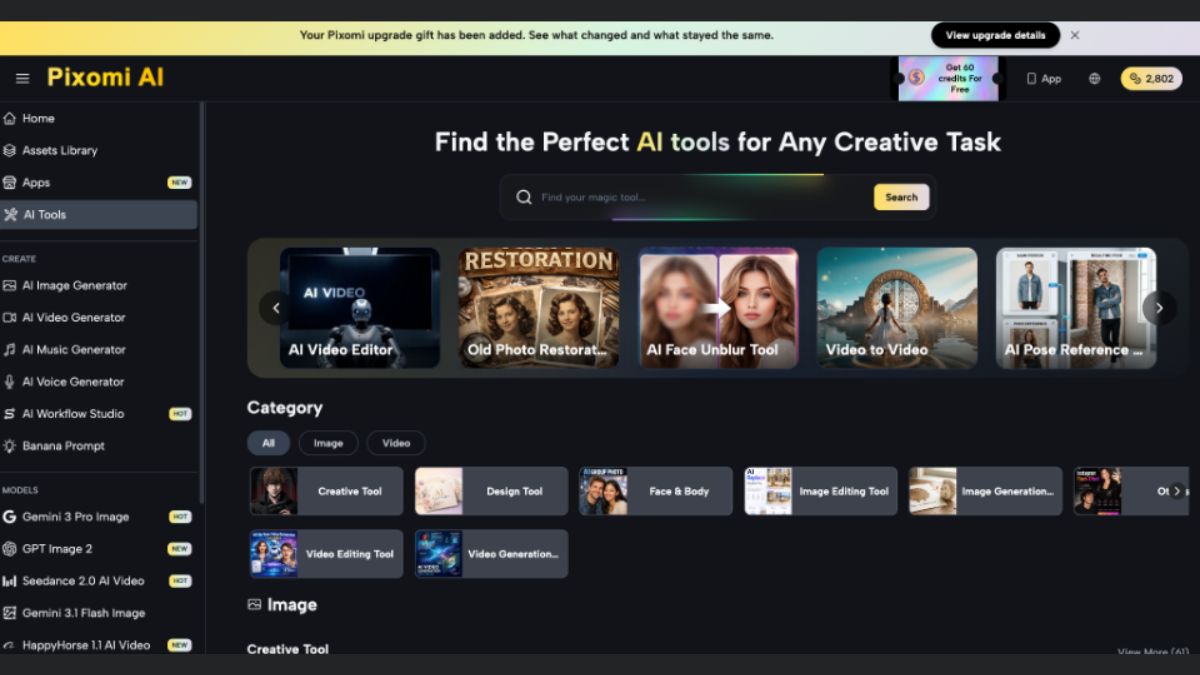
Modern digital marketing demands a seamless blend of static imagery and dynamic motion to capture consumer attention. Historically, transferring 2D designs to the motion graphics department was a slow, labor-intensive process requiring entirely different software stacks. Canvas workflows eliminate this friction by allowing graphic designers to link static image nodes directly into AI video generation models on the exact same board.
This direct integration means an art director can generate a stunning cinematic portrait and immediately animate it with a connecting node, previewing the motion result instantly without waiting for overnight renders. This capability empowers traditional graphic designers to produce high-quality video assets autonomously, significantly expanding the lucrative service offerings an agency can confidently provide to its clients.
As client marketing budgets increasingly shift toward short-form video content for platforms like TikTok and Instagram Reels, the ability to rapidly convert static campaigns into motion graphics within a single unified workspace gives node-based agencies a massive competitive advantage in the crowded advertising marketplace.
The New Standard for Creative Excellence
The transition from linear AI generators to node-based canvas workflows is not merely a software upgrade; it is a fundamental shift in how commercial art and digital campaigns are produced. Agencies that continue to rely on disjointed, single-function tools will soon find themselves outpaced by competitors who can deliver higher asset volumes, superior brand consistency, and lower production costs through intelligently integrated pipelines.
Embracing this architectural evolution allows creative professionals to reclaim their valuable time from tedious rendering tasks and focus heavily on high-level strategy, human emotion, and impactful storytelling. By mastering the infinite canvas, modern agencies secure their position at the absolute forefront of the digital design revolution, fully equipped to meet the escalating demands of the 2026 media landscape head-on.