



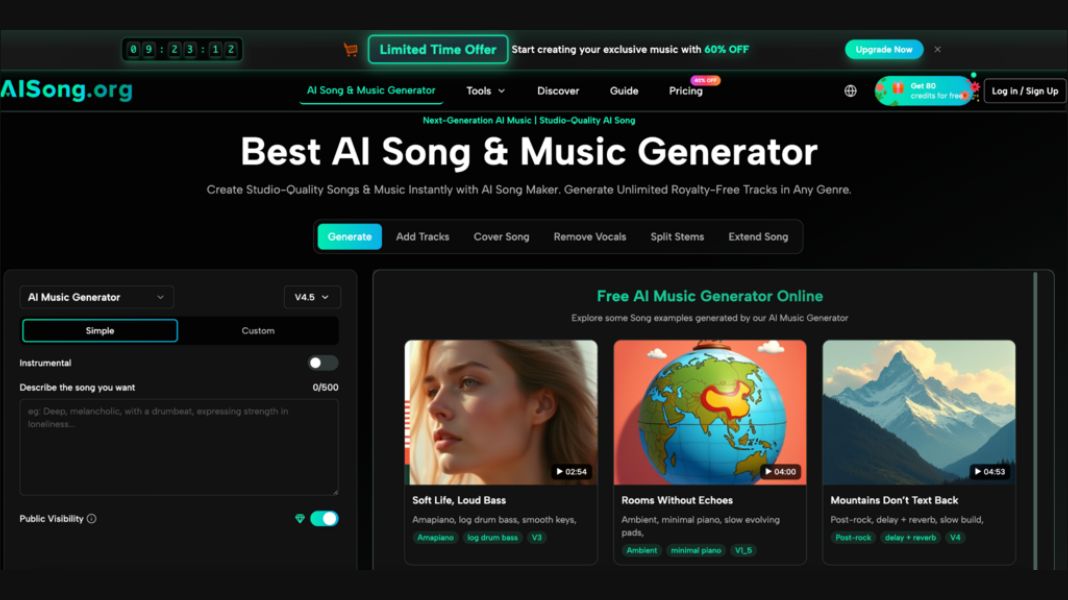
Every wave of generative AI has followed a similar pattern: a capability that once required specialized skill and significant capital gets compressed into a text prompt, and an entirely new layer of business models emerges around it. Text-to-image tools reshaped stock photography and graphic design workflows. Large language models reshaped copywriting and customer support. Now generative audio is following the same trajectory, and an AI Song Generator is a useful case study for entrepreneurs trying to understand how this category of business actually works, where the value accrues, and what opportunities it opens up beyond the tool itself.
Why This Category Exists: A Classic Cost and Access Disruption
Every disruptive product category tends to start by solving the same underlying problem: something that used to require expensive expertise becomes accessible to someone without that expertise, at a fraction of the cost. Original music production has historically required either years of musical training or a budget large enough to hire someone who has that training. Generative audio tools collapse both of those requirements into a text prompt and a render time measured in seconds. That’s not a marginal improvement on an existing workflow. It’s a structural shift in who gets to participate in music production at all, and structural shifts of that size tend to create durable new markets rather than temporary novelties.
The Business Model Layers Worth Understanding
Looking at how tools in this space actually generate revenue reveals a pattern that applies well beyond music generation, and it’s worth breaking down for anyone evaluating whether to build in adjacent categories or simply use these tools within an existing business.
- The Freemium Funnel as Customer Acquisition
Nearly every generative audio platform uses some version of a free tier to let users experience the core value before hitting a paywall. This isn’t just generosity, it’s a deliberate acquisition strategy that relies on the product’s own output as the marketing material. A user who generates a genuinely good free track is far more likely to share it, which creates organic distribution that a paid acquisition channel could never replicate at the same cost.
- Usage-Based and Subscription Tiers Layered Together
Most successful platforms in this category don’t pick one pricing model, they layer several. A subscription tier covers predictable, recurring revenue from regular users, while usage-based add-ons, like additional generations, higher fidelity exports, or commercial licensing unlocks, capture value from power users and businesses whose needs scale beyond what a flat subscription anticipated. This hybrid approach mirrors what’s worked in adjacent categories like image generation and copywriting tools.
- Licensing Rights as the Real Differentiator
For casual users, the generated audio itself is the product. For business customers, the licensing terms attached to that audio are often the actual product being purchased. A platform that can clearly and confidently offer full commercial usage rights has a structural advantage when selling into businesses, agencies, and content teams, because the alternative, unclear or restrictive licensing, creates legal risk that most companies simply won’t accept regardless of how good the audio sounds.
- Downstream Integration as the Long-Term Moat
The most durable version of this business model isn’t the standalone generation tool itself, it’s the position that tool occupies once it’s integrated into a broader content or marketing workflow. A platform that becomes the default audio layer inside video editing software, social media schedulers, or podcast production pipelines builds a moat that a standalone competitor with marginally better output quality can’t easily overcome, because switching costs shift from «is this song better» to «do I have to rebuild my entire workflow.»
What This Means for Entrepreneurs Outside the Music Space
The interesting lesson here isn’t really about music at all. It’s a repeatable pattern: identify a creative or technical output that has traditionally required specialized skill and significant cost, then evaluate whether current generative models have gotten good enough to compress that cost structure. The businesses capturing the most value right now aren’t necessarily the ones with the single best-sounding model output. They’re the ones who’ve correctly identified where in a customer’s existing workflow a generative capability creates the most leverage, and built a pricing and licensing structure that removes friction rather than adding it.
Where Generative Audio Fits Into a Broader Marketing Stack
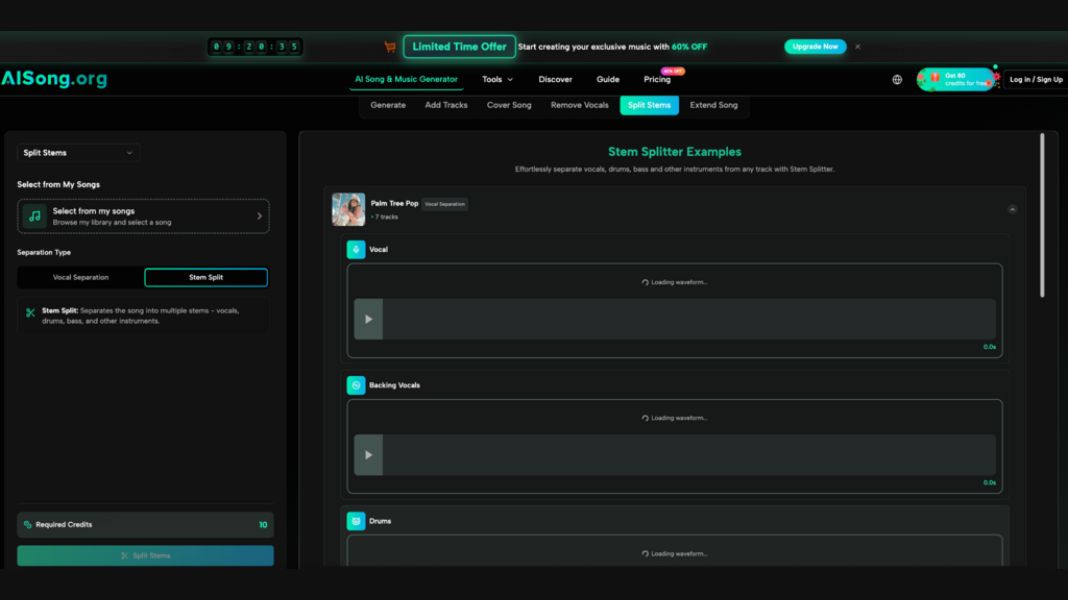
For businesses outside the AI space entirely, a platform built around a Song Maker interface is worth evaluating less as a novelty and more as a line item in a content production budget. Marketing teams that used to allocate meaningful spend toward stock music licensing or freelance composition can redirect a portion of that budget, and more importantly, redirect the time previously spent on sourcing and licensing, toward faster creative iteration. For a lean startup team without a dedicated creative department, that time savings often matters more than the direct cost savings, because it removes a bottleneck that previously slowed down campaign launches and content testing cycles.
 The Competitive Risk Worth Watching
As with any category built on top of a foundation model, the competitive risk isn’t just other startups, it’s the underlying model providers themselves potentially building comparable capabilities directly into broader platforms. Entrepreneurs evaluating whether to build a business on top of this category, rather than simply use existing tools, need to weigh how defensible their specific positioning is once the base technology becomes a commodity, which historically happens faster in AI-adjacent categories than in traditional software markets.
Adjacent Opportunities This Category Opens Up
As generative audio technology matures, new business opportunities are emerging around specialized applications, integrations, and adoption support.
- Niche Vertical Applications: Instead of serving every user, specialized tools can target industries such as wedding videography, podcasting, or game development. These products can charge more by offering tailored interfaces, audio styles, and licensing options.
- Workflow and Integration Tooling: Businesses can create tools that connect generative audio platforms with video editors, podcast hosts, e-commerce pages, and other production systems. The value comes from reducing workflow friction rather than developing a new audio model.
- Consulting and Implementation Services: Many mid-sized companies need help selecting platforms, understanding licensing terms, and integrating generative audio into marketing operations. Specialists can provide evaluation, setup, training, and implementation services.
These opportunities do not require competing directly with companies building foundation models. Smaller teams can instead focus on solving the practical problems businesses face when adopting and using generative audio.
Conclusion
Generative audio offers a clean, current example of how a technical capability shift turns into a full business model almost overnight, complete with freemium funnels, tiered pricing, licensing differentiation, and downstream integration plays. For entrepreneurs, the specific case of AI-generated music matters less than the underlying pattern it illustrates: cost and access barriers that once protected an entire professional category can collapse quickly once a model gets good enough, and the businesses that win aren’t always the ones with the best raw output, but the ones that build the clearest path from that output to a customer’s actual workflow. Whether or not music generation specifically is relevant to a given business, the strategic pattern behind it is worth studying closely.