


Speed creates economic value only when it changes a decision before the expensive part of production begins. A marketing team can use an AI Video Generator to make a concept visible, but a fast clip is not automatically a finished advertisement. Its strongest business case is often earlier: helping stakeholders reject a weak offer, unclear scene, or unsuitable format before a crew, media budget, and launch schedule are committed.
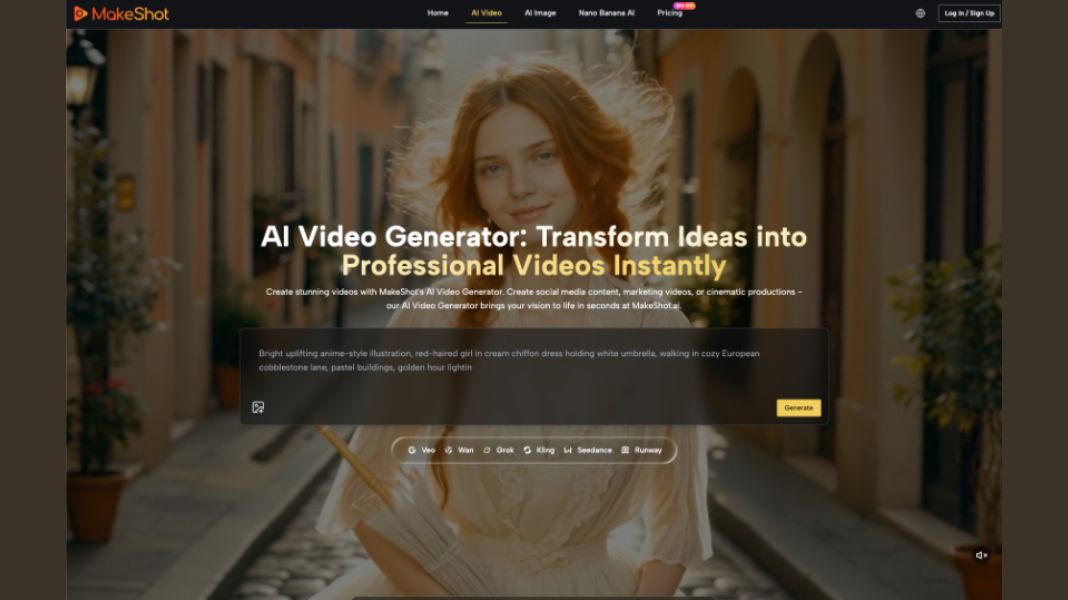
MakeShot supports text-to-video and image-to-video work across several models. That makes it possible to prototype from a written concept or animate an approved product still. The economic question is not how many clips the platform can produce. It is how many expensive misunderstandings a controlled prototype can expose while changes are still cheap.
Put a Decision Question Inside Every Prototype
A prototype should answer one question. Does the product remain the focal point in a vertical crop? Can the value proposition be understood without narration? Does the transition make the before-and-after claim look misleading? When the question is vague, stakeholders react to mood and polish. When it is specific, they can approve, reject, or request one targeted change.
Separate Market Evidence From Visual Preference
Some decisions require customer evidence rather than internal taste. A generated concept can help prepare two clear variants for a small test, but it cannot prove demand on its own. Record the audience, channel, offer, and intended action before generating. Then use the clip to test comprehension or response, not to manufacture certainty about the market.
Choose the smallest audience that can answer the question. Existing customers may judge whether a product demonstration is recognizable. Sales staff may identify objections the concept ignores. A landing-page test may reveal whether viewers understand the offer. Do not expose an unfinished claim to a broad paid campaign merely because generation made the asset inexpensive. Cheap production does not make bad measurement harmless.
Freeze the Claim Before Changing the Scene
Teams often compare two videos that also contain different promises, prices, and calls to action. That makes the result difficult to interpret. Keep the commercial claim fixed while changing one visual treatment. If the claim itself is uncertain, test the wording with a simpler asset first. Video should not hide a weak proposition behind movement.
| Decision stage | Prototype question | Cheap change now | Expensive change later |
| Offer definition | Is the benefit understood? | Rewrite the brief | Replace a finished campaign |
| Visual concept | Is the product still central? | Change framing or action | Reshoot multiple scenes |
| Channel fit | Does the idea survive the crop? | Choose another composition | Re-edit every placement |
| Approval | Are claims and assets cleared? | Remove risky material | Handle withdrawal or dispute |
Use Frame Control to Test the Story
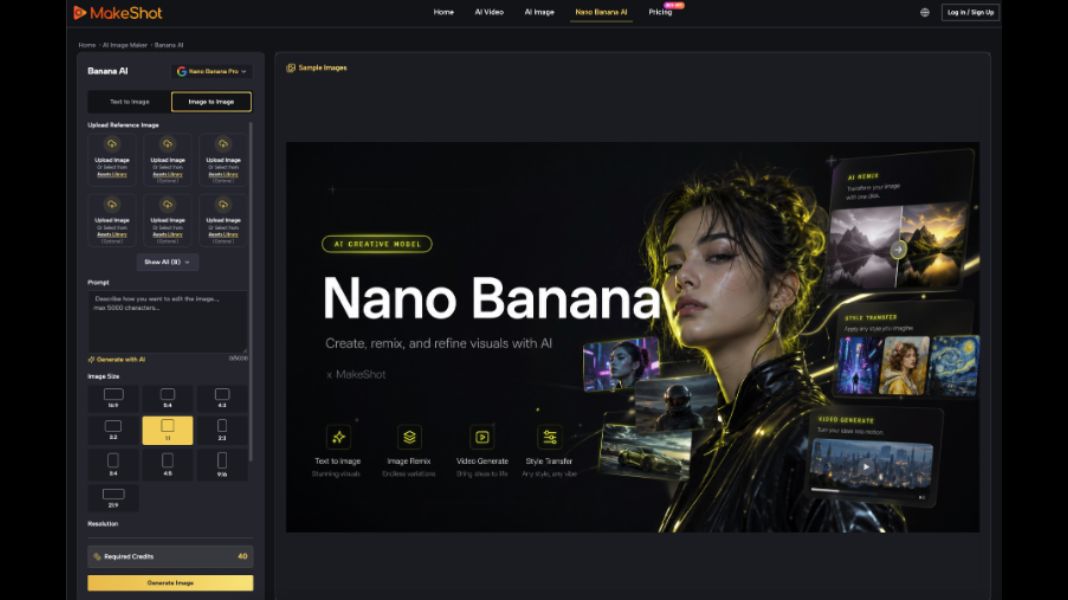
Selected models on the platform support reference images and first-and-last-frame control. Those controls matter when the business question involves a transition. A retailer might test whether a product remains recognizable from opening pack shot to closing use scene. A service company might test whether a visual metaphor reaches a clear end state. The frames act as boundaries for the idea, not as proof that everything between them is accurate.
Design the Opening for Immediate Recognition
The first frame should tell the intended viewer where to look. Use an approved product image, stable environment, and enough empty space for channel-native text added later. Avoid asking the generation to introduce several products, people, and camera moves at once. A crowded opening makes it hard to learn whether the offer failed or the visual simply demanded too much attention.
In MakeShot, the team can use the AI Video Generator to create a limited set of concept variants. Compare them against the same opening and closing requirements. Reject versions that change the product, add unsupported text, or imply an outcome the offer cannot deliver. The fastest way to save money is often to stop an attractive but misleading concept.
Make the Closing Frame Carry the Decision
The closing frame should support the next action: remember the product, understand the transformation, or recognize the campaign line. It should not rely on generated small text. Add final typography and legal copy in a controlled editing step. If the prototype cannot reach a clear ending without invented details, simplify the story before approving production.
Review the transition at normal speed and one frame at a time. Normal playback shows whether the story is understandable. The slower pass reveals whether the product changes, a person appears without consent, or a causal claim is implied by an impossible transformation. Keep those findings separate. A technically clean clip can still communicate the wrong idea, while a promising concept may simply need conventional production to execute safely.
 Move Only Proven Concepts Into Production
A prototype earns further investment when it produces a documented decision. Record what the team learned, which element changed, and what remains untested. If a customer test shows that the message is unclear, revise the offer or storyboard. If the idea works but visual details drift, move to conventional production or a more controlled finishing process rather than generating indefinitely.
Assign an owner to each remaining uncertainty. Marketing owns message comprehension, the product team owns feature accuracy, legal or rights staff own permissions, and production owns final feasibility. The prototype review should end with named actions, not a general request to “make it better.” This turns rapid generation into a faster governance loop rather than a faster stream of files.
Track avoided work as carefully as generated work. A concept rejected before a shoot may save location, talent, editing, and media costs. A concept approved after a small test may shorten stakeholder debate. These savings are estimates, so label them as such, but they help management see why an early visual decision can matter even when the generated clip never appears publicly.
- Approve the concept only when viewers understand the intended action.
- Retain the prompt, source, output, and rejection reasons.
- Keep generated demonstrations separate from evidence of real performance.
- Budget human review and finishing as part of the experiment.
Prototype Value Appears Before the Final Render
MakeShot can help business teams turn an abstract campaign idea into something stakeholders can inspect early. That is valuable for firms that need to compare directions, clarify a brief, or prepare a small market test without starting with a full shoot.
It is less persuasive as a reason to skip evidence, production standards, or rights review. The economic win is not simply cheaper footage. It is a better decision made while the cost of changing course is still low.
Management should review the pilot after the campaign decision, not only after the clip is generated. The useful result may be an approved concept, a rejected claim, a smaller shoot, or evidence that conventional production remains the better investment.
Each outcome can save money when it is recorded early and acted upon.