



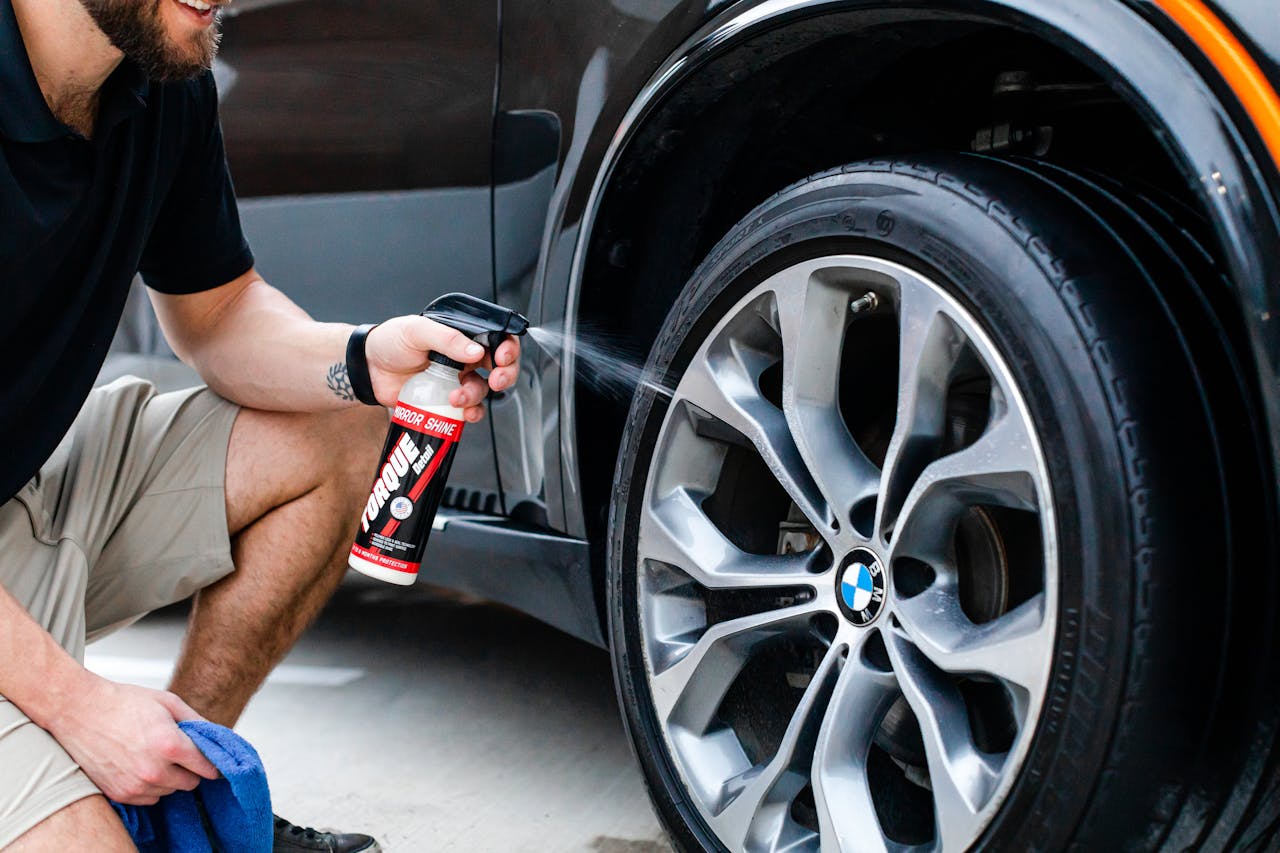
Calgary presents a uniquely demanding environment for vehicle paint. The combination of long winters, abrasive road grit, freeze-thaw cycles, and high-altitude sunlight creates conditions that damage vehicle paint. Frequent vehicle washing leads to the accumulation of microscopic paint damage over an extended period. The gradual process of development causes swirl marks, embedded contaminants, and surface oxidation to remain undetected until the point of gloss loss becomes visible. This is why paint maintenance should be viewed as preventive care rather than cosmetic upkeep.
- Knowing the process of auto paint correction
Auto paint correction is an expert procedure used by professional car detailers to remove surface defects. The correction procedure requires specialized machine power to achieve precise results, as it fixes clear coat defects through controlled polishing techniques.
Vehicle owners who want to find services related to car detail Calgary should base their decision on the need for correction services rather than the frequency at which those services are performed. The practice of excessive correction leads to premature thinning of the clear coat, creating long-lasting risks that outweigh temporary cosmetic benefits.
- Light-use cars and daily drivers
The rate at which paint defects appear on vehicles depends on how drivers use their cars. Daily-driven vehicles are continuously exposed to three types of environmental damage: airborne pollutants, gravel impact, and automatic car washes and frequent handling. The increased risk of swirl marks and surface scratching arises from these factors, yet the need for frequent corrections does not.
Weekend cars and occasional-use vehicles sustain paint damage at a slower rate, yet they still experience paint loss. Sun exposure, moisture retention, and improper storage conditions increase the risk of oxidation and etching. The protective detailing measures offer greater benefits for these vehicles than aggressive correction methods.
- Usage of the auto paint correction process
Paint correction works by eliminating surface defects by removing a thin, clear coat layer. People should use this highly effective method with careful restrictions. Excessive correction work has two negative effects: it shortens the lifespan of the paint and reduces future correction options. Professionals with expertise in their field evaluate three factors, which include paint thickness, defect depth, and overall condition, before they decide to start any abrasive treatment.
Most vehicles need actual auto paint correction after two to three years. This time frame depends on how the vehicle operates and what maintenance tasks the owner performs. Non-abrasive detailing procedures, combined with sealants and coatings, deliver superior paint protection between correction sessions.
Summing it up
There isn’t any one-time or universal routine for the auto paint correction process. However, the pattern appears to be simple. You need to follow this process as a strategic solution, not as a routine service. The majority of cars are typically in a good position for occasional paint correction. However, they opt for non-invasive, regular detail practices year-round. Therefore, when performed at the right times, paint correction can help restore clarity, retain the integrity of the clear coat, and preserve the car’s value without unnecessary wear and tear.